

Steve Saka’s obsession with Connecticut Broadleaf tobacco began decades ago as a young cigar smoker. Now, as founder and master blender of Dunbarton Tobacco & Trust, this bold, earthy, and sweet leaf defines nearly everything he creates.
Connecticut Broadleaf was the original varietal grown in the region until the late 19th century. Like Brazil’s Mata Fina or Mexico’s San Andrés, it became synonymous with its terroir. What sets it apart is its distinctive profile: sweet and earthy, with pronounced chocolate and coffee notes.
Saka’s education began in the late 1990s under Frank Llaneza, universally considered the “Godfather of Broadleaf.” Llaneza’s factory had crafted many of Saka’s favorite Broadleaf cigars in the ’80s and ’90s: Punch, Hoyo de Monterrey, and El Rey del Mundo. Saka absorbed everything he could until Llaneza finally told him to “ask less and do more. The only way to learn is to start ruining some tobacco.”
That’s exactly what Saka did when he began the Liga Privada project at Drew Estate in 2006. He developed his own methodology and, working with Gustavo Cura of Oliva Tobacco Company, sourced Broadleaf of far superior quality than what was available earlier.
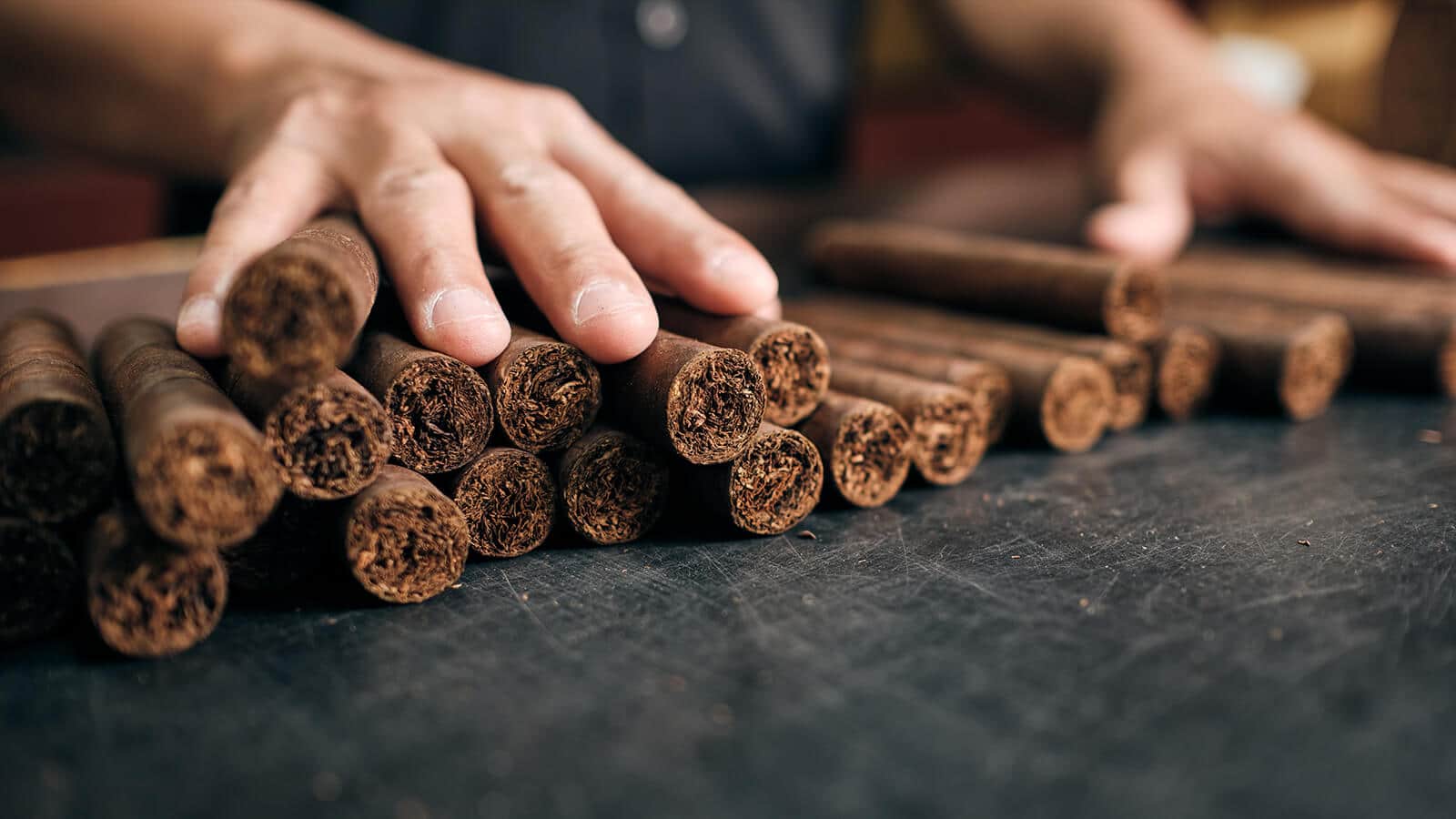
The tobacco itself has evolved. The leaf used to be rougher, not as well worked. Cigars made with it were often considered “working man’s cigars”: ugly, splotchy, and harsh. Now, afforded time and a gentler touch in fermentation, it can become almost velvety smooth.
The challenge is that Broadleaf remains notoriously difficult to work with. It’s thick, fleshy, oily, and almost spontaneously combustible in fermentation piles. Most Broadleaf today is box-sweated rather than undergo traditional fermentation due to the immense challenges and costs. Saka doesn’t do this. The other way is easier and results in a prettier leaf, but it robs it of flavor. He does it the “old way,” with far more care.
Challenges include stem rot, mold, unexpected temperature spikes, and difficult storage. To overcome these requires extreme attentiveness and patience, almost like a caring, loving parent.
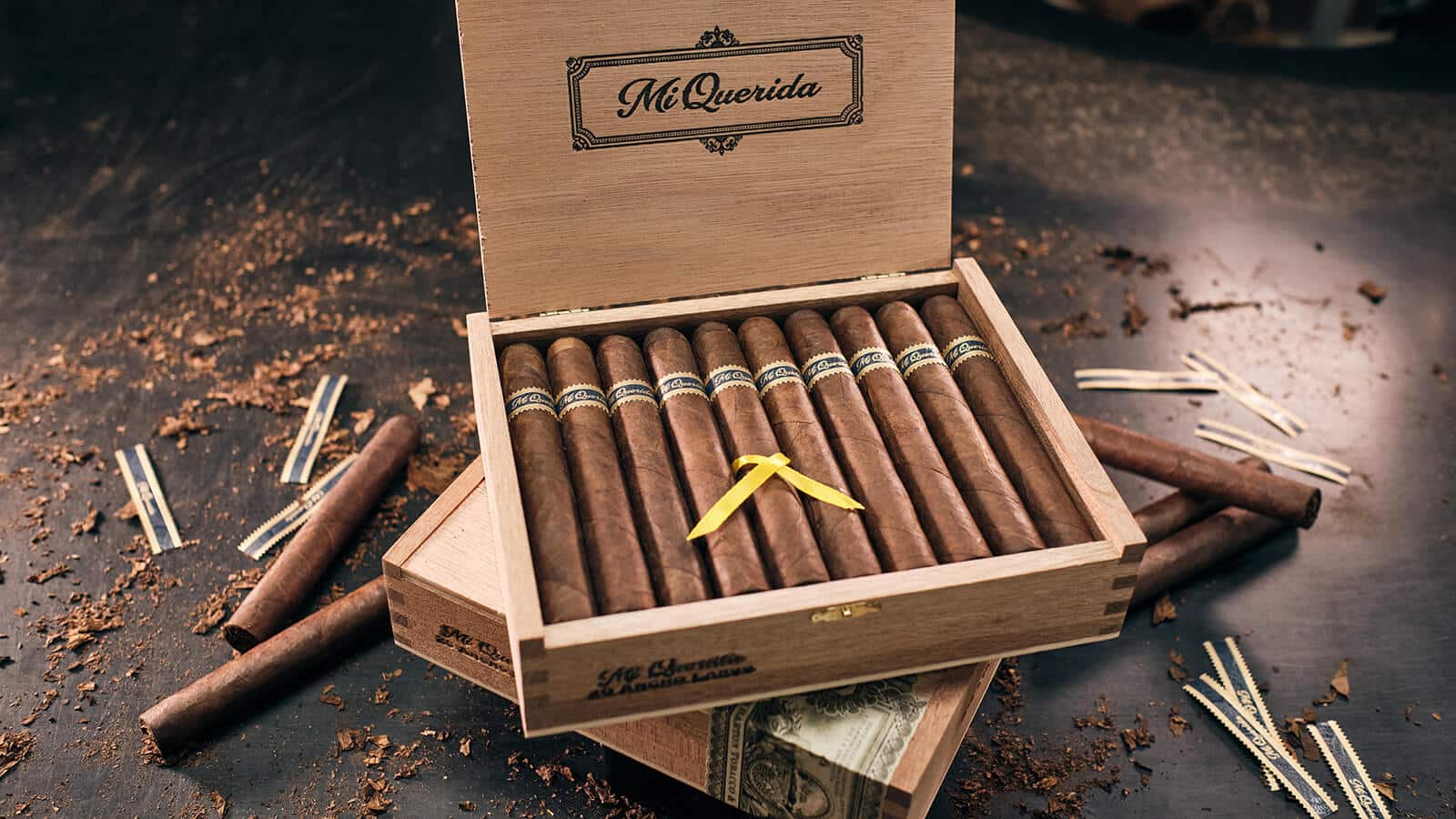
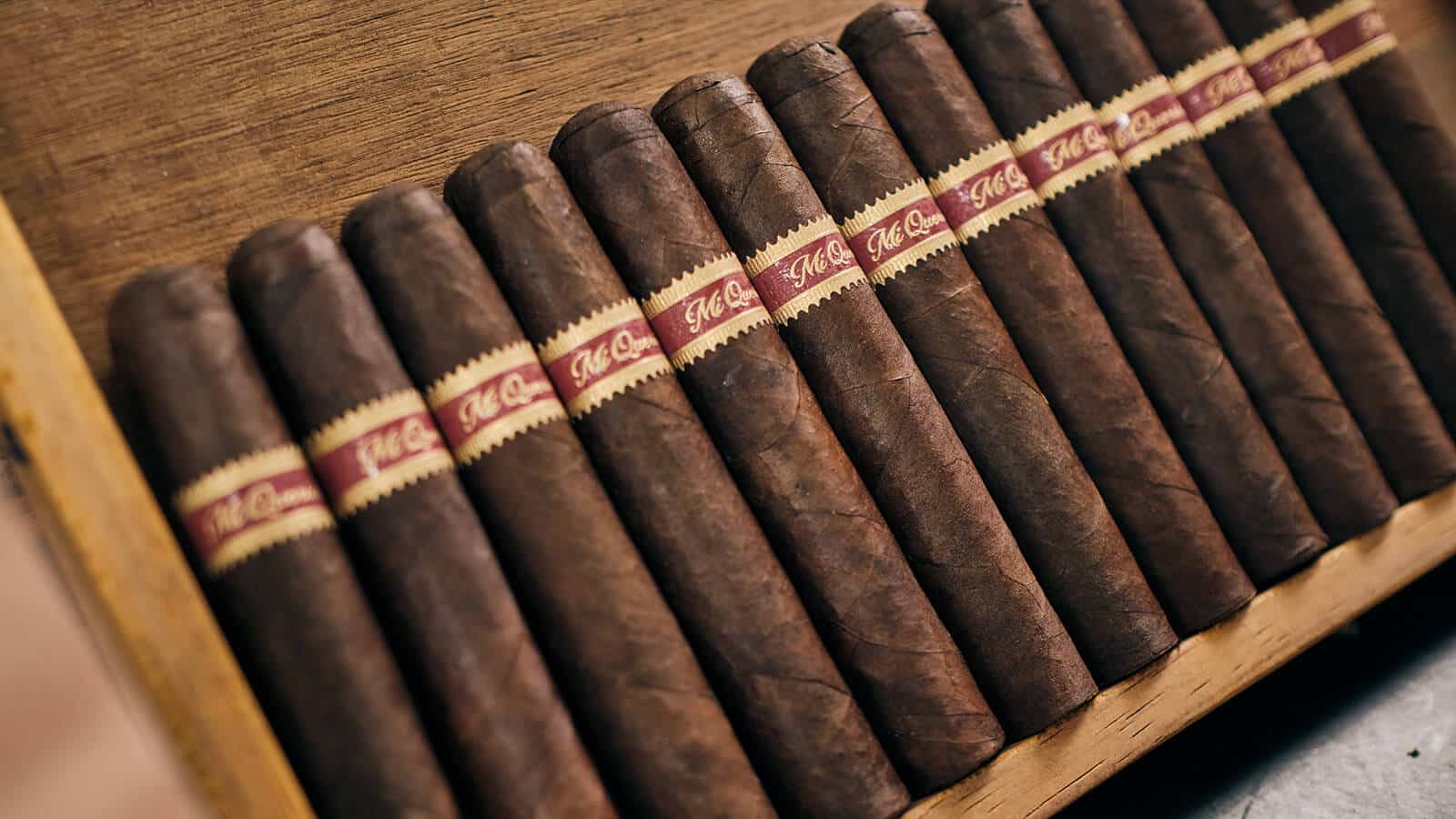
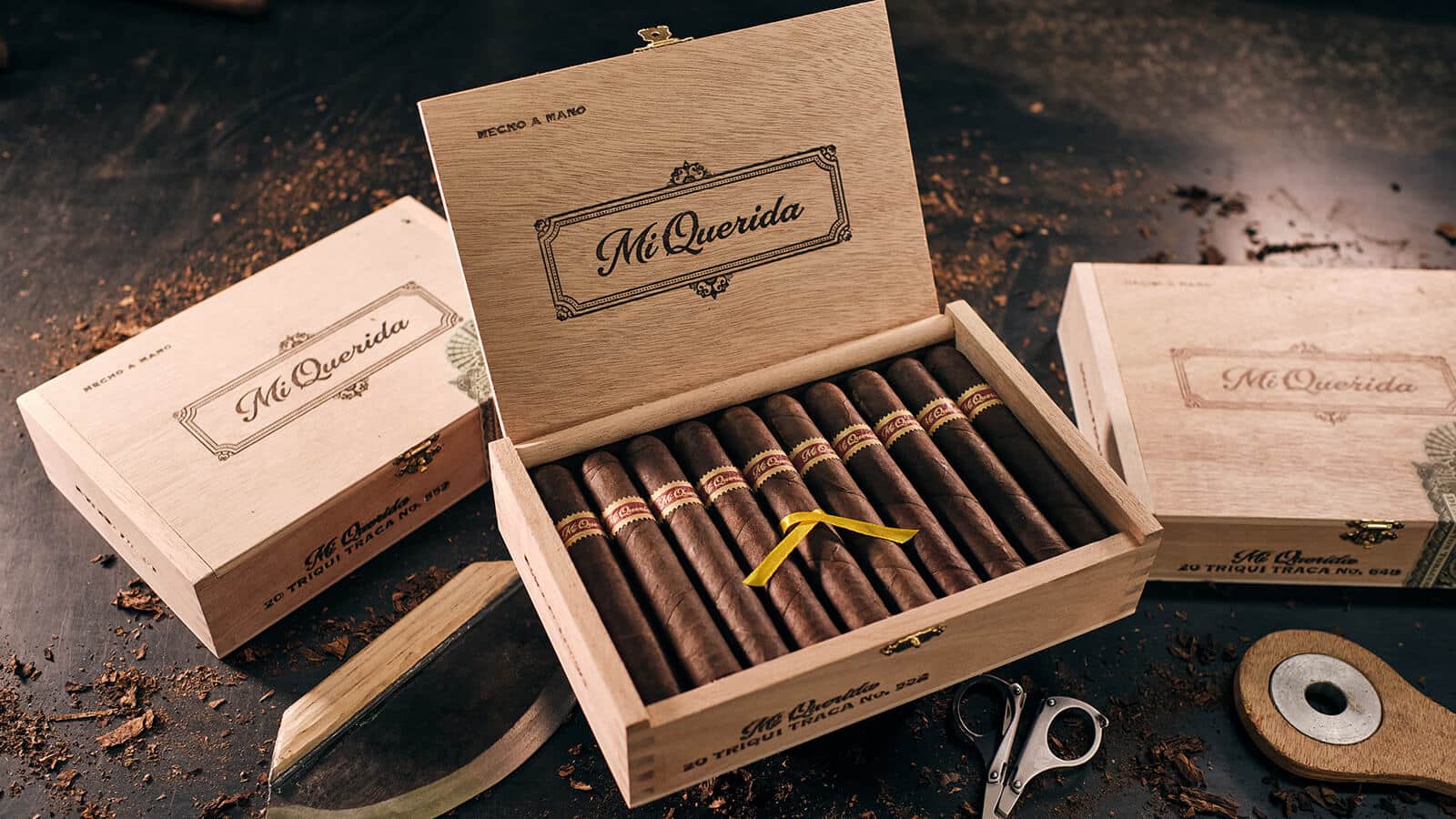
This dedication shows in Saka’s blends. All his Broadleaf blends stem from a core blend, but each is a distinct variation. The original Mi Querida, with blue rings, is medium-full, focusing on a smoother, chocolatey experience. The Triqui Traca variation, with red rings, ups the strength with bolder pepper and espresso notes. Black incorporates unique Honduran tobaccos for an extra-robust quality.
Sourcing remains challenging. Broadleaf is arguably the most difficult leaf to source. There’s a tiny ideal growing region with a short season, inconsistent weather, and susceptibility to Blue Mold. Securing Broadleaf is one of his primary focuses. He’s arguably the only small company investing so heavily in Broadleaf blends. If he can’t make it exactly how he wants, he simply waits.
One misconception frustrates him: consumers see the dark colors and rougher textures and assume it’s too strong. This is a mistake. When properly worked, it’s one of the smoothest, creamiest tobaccos, with natural sweetness. It’s more robust in flavor but actually one of the least peppery.
Comparing it to other dark wrappers, San Andrés Negro is the most refined and balanced, with smoky notes and less sweetness. Mata Fina kicks up earth notes with a molasses-like flavor. Connecticut Broadleaf is simply “bigger” in all ways: larger leaves, bolder earth, chocolate, and coffee notes, with significantly more sweetness. This makes it the least refined of these three Maduro options.
Looking ahead, Saka sees Broadleaf grown outside Connecticut becoming more common, as there’s never enough, and costs are easily threefold. However, he hasn’t found any viable replacement. It lacks the richness, depth, and sweetness that are achieved when cultivated in cooler northern climates on glacier-enriched soils.
The grower’s newest creation, which he is working on, is a hybrid cross between Connecticut Broadleaf and a sun-grown Cuban seed variety, unofficially named “Capa Camaleón.” It looks like Broadleaf but smokes like a cross between River Valley Broadleaf and Nicaraguan Sun-Grown Criollo. It debuts on select releases in 2026, another chapter in Saka’s love affair with Connecticut Broadleaf.